

Table of Contents
- How to Choose Durable Pet Toys: What Actually Matters
- Indestructible Dog Toys for Aggressive Chewers
- Durable Pet Toys by Category: Our Top Picks
- Dog Toy Safety Standards in the UK
- How to Clean and Maintain Dog Toys
- Why Buy Durable Pet Toys from PetMode?
- Conclusion
Last Updated: August 20, 2026
Most dog toys don't survive a determined chewer. The plush ones lose their stuffing within minutes, the plastic ones crack, and the rubber ones that claim to be "heavy-duty" often aren't. This article breaks down what actually makes a toy last, which materials to trust, and how to match the right toy to your dog's chewing behaviour.
Quick Picks:
- Best for power chewers: Heavy-duty natural rubber toys with thick walls and no hollow thin sections
- Best for mental stimulation: Treat-dispensing toys with adjustable difficulty
- Best for gentle chewers: High-quality plush toys with reinforced seams and non-toxic fill
- Best all-rounder: Dual-purpose interactive fetch and tug-of-war toys made from durable materials
How to Choose Durable Pet Toys: What Actually Matters
Choosing the right durable pet toy starts with one question: how does your dog actually interact with toys? A toy that survives a Labrador's enthusiastic fetch will disintegrate in under an hour with a Staffordshire Bull Terrier's jaw strength. The mistake most owners make is buying based on size alone, when chew intensity and play style are far more important.
Matching Toy Type to Chew Intensity
Chew intensity falls into three categories: light chewers, moderate chewers, and power chewers. Light chewers carry toys around and enjoy gentle mouthing; plush and softer rubber work well. Moderate chewers benefit from medium-density rubber or rope toys. Power chewers need specifically engineered materials and destroy most standard toys within minutes.
A practical rule: if your dog has destroyed three or more "standard" toys in the past month, treat them as a power chewer regardless of breed.
| Chew Intensity | Recommended Material | Toy Types to Avoid |
|---|---|---|
| Light | Plush, soft rubber | Rope (fraying risk) |
| Moderate | Medium rubber, rope | Thin plastic |
| Power | Thick natural rubber, heavy-duty nylon | Plush, hollow plastic |
Size, Breed and Age: Why They Change Everything
Dog breed size directly affects which toy is safe. A toy sized for a Chihuahua becomes a choking hazard for a German Shepherd. Age is equally important and often overlooked. Puppies teething need softer materials that soothe gums without damaging emerging teeth. Senior dogs may have brittle teeth and benefit from medium-density rubber rather than the hardest options.
Age-specific durability needs:
- Puppies (under 12 months): Softer rubber, gentle textures, nothing harder than a thumbnail
- Adults (1-7 years): Full range, matched to chew intensity
- Seniors (7+ years): Medium rubber, avoid very hard materials that risk tooth fractures
Indestructible Dog Toys for Aggressive Chewers
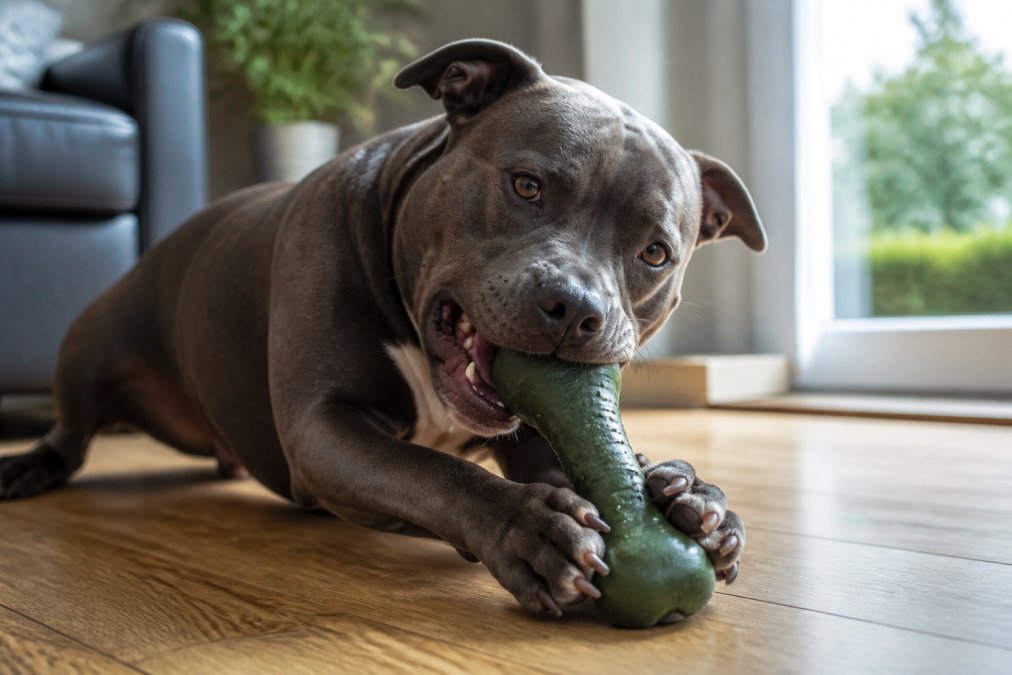
The term "indestructible" is a marketing claim rather than a guarantee. What the best options offer is exceptional chew resistance, verified non-toxic materials, and construction that doesn't splinter or break into swallowable pieces. For aggressive chewers, that distinction matters enormously.
Heavy-Duty Rubber and Natural Rubber Options
Natural rubber is the gold standard for indestructible dog toys. It offers chew resistance, flexibility, and bounce that synthetic alternatives rarely match. Toys made from 100% natural rubber withstand sustained chewing from most power chewers without cracking or splintering.
What to look for:
- Wall thickness: Thicker walls mean longer life. Avoid hollow designs with thin sides.
- Seam quality: Moulded one-piece designs outlast toys with glued or stitched seams.
- Bounce and texture: Good bounce keeps dogs engaged; textured surfaces help with dental health.
- BPA-free certification: Always confirm the toy carries a BPA-free designation.
Treat-Dispensing Toys That Survive Power Chewers
Treat-dispensing toys provide mental stimulation alongside physical chewing, which is valuable for high-energy breeds. Many designs use thin walls or lightweight plastic that power chewers compromise quickly. The best options feature thick natural rubber or hard nylon construction, openings that dispense treats without creating sharp edges, and adjustable difficulty levels.
According to the PDSA's guidance on dog enrichment and mental stimulation, mental stimulation is as important as physical exercise for a dog's wellbeing. Treat-dispensing toys address both simultaneously.
Durable Pet Toys by Category: Our Top Picks
Durable pet toys span multiple categories. Choosing across categories means your dog benefits from variety, which reduces boredom and destructive behaviour.
Plush and Squeaky Toys Built to Last
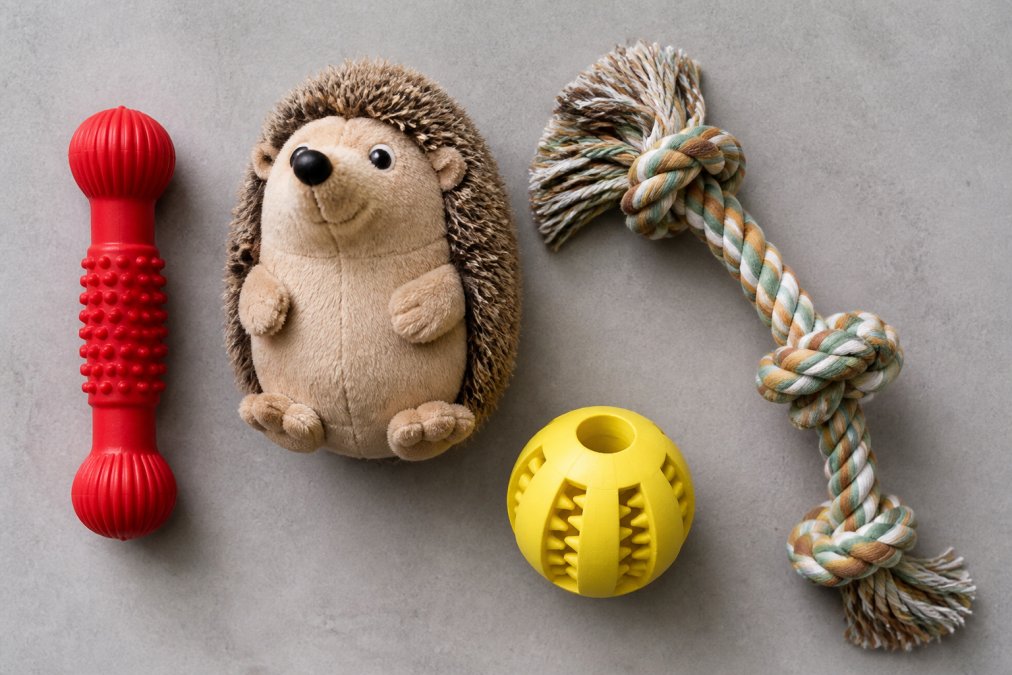
High-quality plush toys use reinforced double-stitched seams, tightly woven outer fabric, and non-toxic polyfill. Squeaky mechanisms are the first point of failure; better-constructed options embed the squeaker inside a protective layer so it isn't immediately accessible if the outer fabric is breached. For dogs obsessed with "killing" the squeak, look for toys with multiple squeakers distributed throughout.
Plush toys suit moderate chewers and dogs who enjoy carrying and shaking. For light chewers, a well-made plush toy can last months with proper care.
Interactive and Enrichment Toys
Interactive toys require dogs to problem-solve, pushing, pawing, or rolling the toy to release a reward. This taps into natural foraging instincts and provides mental stimulation that fetch sessions don't. Durable interactive toys typically use hard ABS plastic or thick rubber. Puzzle feeders, snuffle mats, and multi-chamber treat dispensers all fall into this category.
According to the Kennel Club's guidance on dog mental health and enrichment, dogs receiving regular mental stimulation show fewer signs of anxiety and destructive behaviour.
Tug-of-War and Fetch Toys
Tug-of-war and fetch toys withstand pulling tension, impact, and repeated wet-dry cycles. Rope toys made from natural cotton fibres work well for tug, though they fray over time and should be monitored for loose strands. For fetch, solid or near-solid rubber balls outlast hollow tennis-ball-style options significantly.
Key durability factors:
- Rope toys: Natural cotton, tightly braided, no synthetic fibres that splinter
- Fetch balls: Solid or thick-walled rubber, no felt coating that can be stripped
- Tug toys: Double-layered handles, reinforced attachment points
Dog Toy Safety Standards in the UK
Dog toy safety in the UK is governed by the General Product Safety Regulations 2005, which require that all consumer products, including pet toys, are safe for their intended use. Responsible manufacturers also voluntarily align with European EN standards for toy safety, particularly around material composition and small parts.
Non-Toxic and BPA-Free Materials: What to Look For
Non-toxic means materials have been verified to contain no substances harmful to dogs if chewed or ingested in small amounts. BPA-free specifically refers to the absence of bisphenol A, a chemical found in some plastics linked to health concerns.
When assessing materials, look for:
- Natural rubber sourced from rubber trees, not synthetic rubber compounds
- Food-grade dyes and pigments explicitly pet-safe
- No phthalates, which are plasticisers sometimes found in PVC toys
- Non-toxic polyfill in plush toys, not foam beads
The UK Government's guidance on the General Product Safety Regulations provides the regulatory framework for pet product safety claims.
Supervised Play and Choking Hazard Awareness
No toy is safe without appropriate supervision, particularly for power chewers. Choking hazards emerge when toys are damaged; a partially chewed rubber toy can break into pieces large enough to cause obstruction. Supervised play allows you to intervene before a toy reaches that point.
Practical supervised play guidelines:
- Check toys before and after every play session for damage
- Remove any toy with visible cracks, missing chunks, or exposed internal components
- Match toy size to your dog: the toy should be too large to be swallowed whole
- Never leave a dog unsupervised with a new toy until you've assessed how they interact with it
How to Clean and Maintain Dog Toys
Proper maintenance extends toy life significantly and protects your dog's health. Bacteria and mould accumulate on toys regularly mouthed and left damp. A consistent cleaning routine is one of the most practical ways to get more life from your toys.
Rubber and Plastic Toys
Rubber and hard plastic toys wash easily in warm soapy water using pet-safe washing-up liquid, then rinse thoroughly and air dry. Treat-dispensing toys with narrow openings benefit from a bottle brush to reach internal surfaces where food residue accumulates. Many solid rubber toys are dishwasher-safe on the top rack without detergent. Avoid bleach-based cleaners, which degrade rubber over time.
Plush and Fabric Toys
Most plush toys machine wash on a gentle cycle at 30°C or 40°C, then air dry rather than tumble dry. High heat can melt glued components or damage squeakers. Check for damage before washing; a partially split seam will open fully in the machine. Rope toys can be microwaved damp for 60-90 seconds to kill surface bacteria, then left to dry fully.
When to Replace a Toy
Replace a toy when chunks are missing, cracks expose sharp edges, seams are open and internal components are accessible, persistent odour remains after washing, or the toy is visibly smaller due to chewing. A damaged toy is a hazard.
Why Buy Durable Pet Toys from PetMode?
PetMode is a UK pet-care community and online shop built around making pet ownership genuinely easier. The toy selection is curated with durability, safety, and enrichment in mind, so you're not wading through hundreds of low-quality options.
Shopping with PetMode means free UK delivery, a 14-day easy returns policy, and secure SSL-encrypted checkout. Over 600 happy pet parents have rated PetMode at 4.96 stars, reflecting the care in product selection and customer support. Beyond the shop, PetMode connects owners with trusted local dog walkers, carers, groomers, and trainers, and provides practical pet information in one place.
Toy Durability and Safety: Quick Reference
| Toy Type | Best For | Key Material | Maintenance |
|---|---|---|---|
| Natural rubber chew | Power chewers | 100% natural rubber, BPA-free | Warm soapy water, air dry |
| Treat-dispensing | Mental stimulation | Thick rubber or hard nylon | Bottle brush, dishwasher-safe |
| Plush squeaky | Light to moderate chewers | Reinforced seams, non-toxic fill | Machine wash 30-40°C, air dry |
| Rope tug | Moderate chewers, tug play | Natural cotton, tightly braided | Microwave damp, air dry |
| Fetch ball | Fetch, outdoor play | Solid or thick-walled rubber | Warm soapy water, air dry |
| Interactive puzzle | All chew types | Hard ABS plastic or thick rubber | Wipe down, rinse compartments |
Frequently Asked Questions
What are the best durable dog toys for dogs who destroy everything?
Dogs that destroy toys quickly need toys rated for high chew intensity. Natural rubber and heavy-duty thermoplastic rubber (TPR) toys consistently outlast plush or thin plastic options for power chewers. Treat-dispensing toys made from thick rubber also hold up well because the wall thickness absorbs jaw pressure. Always check the manufacturer's chew-strength rating and match it to your dog's size and breed before buying durable pet toys online.
Are rubber dog toys safer than nylon for heavy chewers?
Natural rubber is generally considered the safer choice for heavy chewers. It flexes rather than splinters, reducing the risk of sharp fragments that could injure gums or become a choking hazard. Nylon chews can shed small shards with sustained chewing, which some vets advise against for strong-jawed dogs. Look for toys labelled non-toxic and BPA-free, and check that they comply with UK toy safety standards under the General Product Safety Regulations 2005.
How can I tell if a dog toy is truly durable before buying?
Check the material specification: thick natural rubber or reinforced TPR outperforms thin plastic or loosely stitched plush. Look for a stated chew-strength rating or size guide matched to your dog's weight. Read verified buyer reviews from owners with similarly sized dogs. Seam stitching count matters for plush toys, double or triple-stitched seams last far longer. Buying from a retailer with a clear returns policy, like PetMode's 14-day easy returns, also reduces the risk if a toy underperforms.
How often should I clean my dog's toys?
Rubber and hard plastic toys should be cleaned at least once a week, especially treat-dispensing toys where food residue builds up inside. A warm water and mild washing-up liquid rinse works for most rubber toys; many are also dishwasher-safe on the top rack. Plush toys can go in a mesh laundry bag on a gentle 30°C cycle. Inspect every toy during cleaning, any cracked rubber, torn seams, or missing squeakers are signs to replace it immediately to prevent choking hazards.
What do vets recommend for aggressive chewers?
Vets generally recommend toys made from natural rubber or reinforced rubber compounds for dogs with strong jaw strength. They advise avoiding toys smaller than the dog's mouth opening, as these pose a choking hazard. Toys should pass the thumbnail test: if you can dent the surface with your thumbnail, it is soft enough to be safe; if it does not give at all, it may be too hard and risk cracking teeth. Supervised play is always recommended, regardless of how indestructible a toy claims to be.
Finding the right durable pet toys for your dog takes a little more thought than grabbing whatever's on the shelf, but it pays off in toys that actually last and keep your dog genuinely engaged. PetMode's curated selection of durable pet toys covers every chew intensity and play style, backed by free UK delivery, easy returns, and a community of over 600 satisfied pet owners. Browse the PetMode shop and find toys your dog will still have next month.
This article was written using GrandRanker

